Desk Worker’s Guide to Upper Back & Neck Pain: Solutions in North York
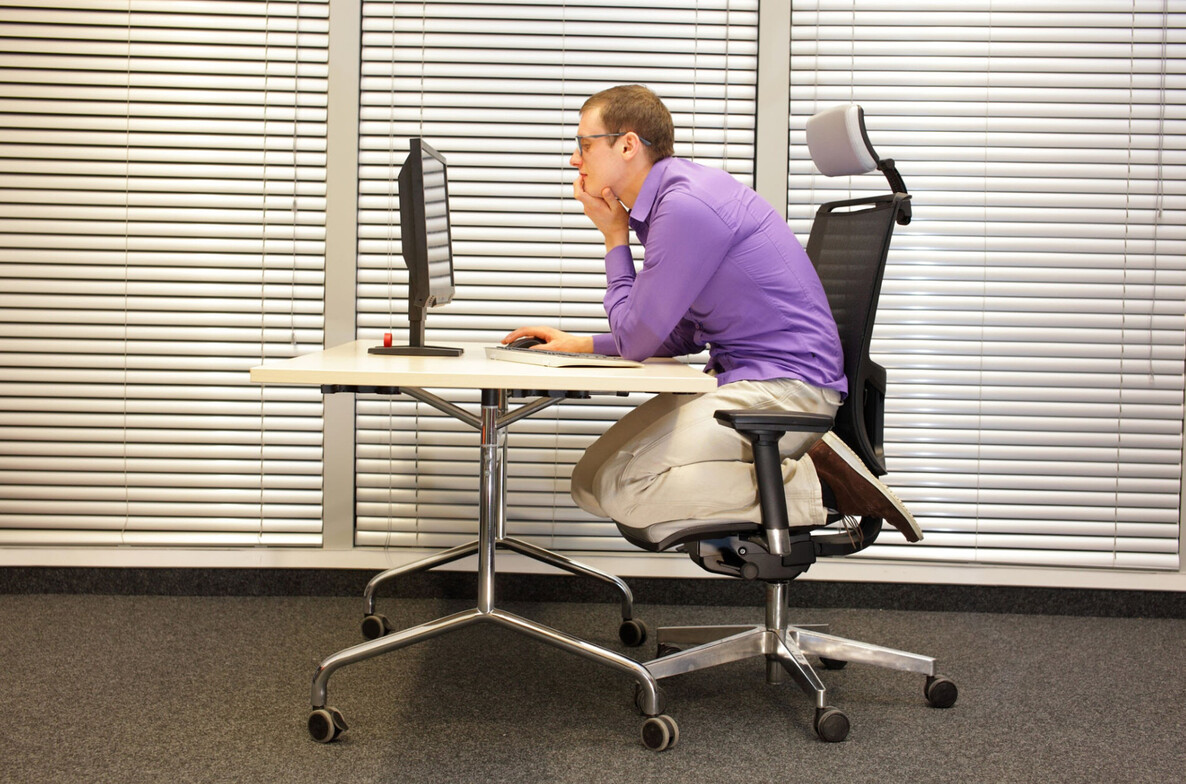
If you spend hours sitting at a desk, looking at laptop screens, or scrolling on your phone, you are likely no stranger to persistent upper back tightness, neck stiffness, or tension headaches. This postural stress—often referred to as "tech neck"—is one of the most common reasons patients seek care.
When you sit hunched over a desk for long periods, your head shifts forward. For every inch your head moves forward, it adds roughly 10 extra pounds of pressure on your cervical spine and surrounding muscles. Over time, this leads to chronic muscle fatigue, spinal joint dysfunction, and restricted range of motion.
The good news? You don’t have to accept upper back and neck pain as a permanent tax on working a desk job. Addressing both joint mechanics, soft tissue tightness, and movement patterns provides fast relief and long-term prevention.
What Causes "Tech Neck" and Upper Back Stiffness?
Prolonged desk work creates a predictable pattern of muscle imbalances across your neck, shoulders, and upper back:
-
Postural Overload: The upper trapezius and levator scapulae muscles overwork to hold your head up, leading to painful trigger points and muscle knots.
-
Tight Chest Muscles: Forward-rounded shoulders shorten the pectoral muscles, pulling your spine out of optimal alignment.
-
Weak Upper Back Muscles: Deep neck flexors and mid-back stabilizing muscles become stretched and weak, losing their ability to support proper posture.
-
Thoracic Spine Rigidity: Lack of movement in the mid-back creates stiffness that transfers extra stress to the neck and lower back.
How Integrated Care Resolves Desk-Related Neck Pain
Relying solely on temporary relief—like quick stretches or heat packs—often means the pain returns by mid-week. At our clinic, care isn't a one-size-fits-all, single-technique treatment. Both our chiropractors and physiotherapists utilize a full-spectrum, hands-on approach tailored to what your body needs:
1. Chiropractic Care (Far More Than Just an Adjustment)
Our chiropractors do not simply adjust joint restrictions and send you out the door. A typical session combines targeted joint manipulation with active soft tissue release, muscle work, and acupuncture or electroacupuncture to reduce nerve irritation and melt deep muscle tension. You will also leave with personalized rehab exercises to ensure your results last.
2. Physiotherapy Care (Comprehensive Hands-On Rehab)
Physiotherapy isn't just about handing you a sheet of exercises. Our physiotherapists provide extensive hands-on manual therapy, joint mobilizations, and soft tissue release to restore movement and relieve acute pain first. From there, specific active rehabilitation and movement retraining are integrated to rebuild strength in your upper back and posture-supporting muscles.
3. Advanced Modalities for Accelerated Healing
To speed up your recovery, advanced therapeutic modalities are integrated into your care plan as needed:
-
Superpulsed Cold Laser Therapy: Uses precise light wavelengths to reduce deep tissue inflammation, relieve pain, and stimulate cellular repair without discomfort.
-
Targeted Modalities & Acupuncture: Helps calm stubborn inflammation, reset overactive nerve pathways, and release stubborn trigger points.
3 Quick Exercises to Relieve Neck & Shoulder Tension at Your Desk
You can perform these simple movements right at your desk throughout the workday to disrupt poor posture habits:
1. Chin Tucks (Strengthen Deep Neck Flexors)
-
Sit tall with your shoulders relaxed.
-
Looking straight ahead, gently pull your head directly back as if making a "double chin."
-
Hold for 3–5 seconds and return to neutral. Repeat 10 times.
2. Doorway Chest Stretch (Open Tight Pectoral Muscles)
-
Stand in a doorway with your elbows bent at 90 degrees and forearms placed flat against the door frame.
-
Step one foot forward until you feel a gentle stretch across your chest and front shoulders.
-
Hold for 20–30 seconds while breathing deeply. Repeat 2–3 times.
3. Seated Thoracic Extension (Mobilize Mid-Back)
-
Sit firmly back in your chair with your hands interlaced behind your head.
-
Gently arch your upper back over the top of your chair back, opening your elbows wide toward the ceiling.
-
Hold for 3–5 seconds, then return to neutral. Repeat 8–10 times.
Get Relief from Desk Strain in North York
You don’t need to spend your workdays pushing through chronic upper back stiffness or neck tension. At Heal Physiotherapy & Chiropractic, our team delivers comprehensive, hands-on care—combining manual soft tissue work, adjustments, physical therapy, laser therapy, acupuncture, and tailored exercise programs to keep you pain-free.
Located conveniently in North York (near Bayview & Sheppard), we offer comprehensive initial assessments and individualized treatment plans tailored to your specific goals and routine.
Ready to relieve postural pain and get back to feeling your best?
Book Your Consultation Online Today or call our office at (416) 222-2282.

Atoosa Khosh-Ghalb
Contact Me